15 Fun Kids Play Room Ideas to Inspire Creativity and Learning
One of the best methods to foster children’s imagination, creativity, and learning at home is to create a playroom that is entertaining and inspiring. Children can explore new concepts, maintain organization, and engage in hours of educational play in a fun and safe setting with the support of a well-thought-out place. A well-designed playroom can transform routine learning into an exciting experience, with everything from vibrant reading nooks and dynamic activity areas to clever storage options and imaginative design. This post offers 17 entertaining ideas for kids’ playrooms that blend comfort, elegance, and usefulness to make a place your kids will genuinely adore.
Why are the ideas of a kids’ playroom needed?
Ideas for children’s playrooms are crucial because they assist parents in designing a place that is not only entertaining but also secure, well-organized, and instructive. A well-designed playroom enhances a child’s overall growth and adds significance to everyday playtime. Child growth is a key factor in the requirement for these concepts. A well-designed playroom promotes imagination, creativity, and problem-solving abilities through role-playing, building blocks, and drawing. When they are in a setting that encourages discovery, children learn more effectively. Comfort and safety are additional significant factors. Soft flooring, kid-friendly furniture, and secure storage options are common components of children’s playroom designs. This lowers the possibility of mishaps and guarantees kids can play unrestrictedly without worrying about anything.
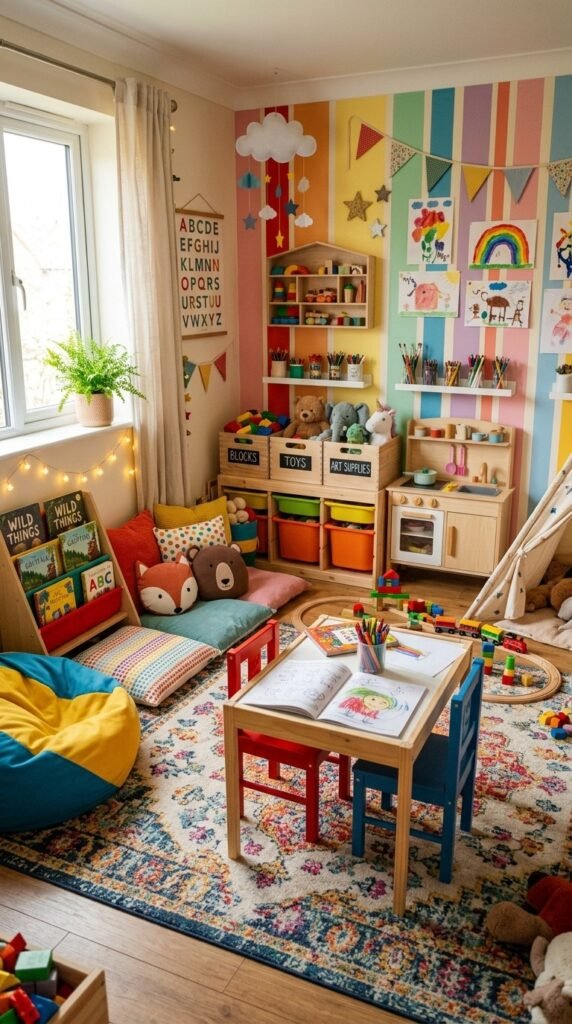
1. Create a Colorful and Imaginative Play Space
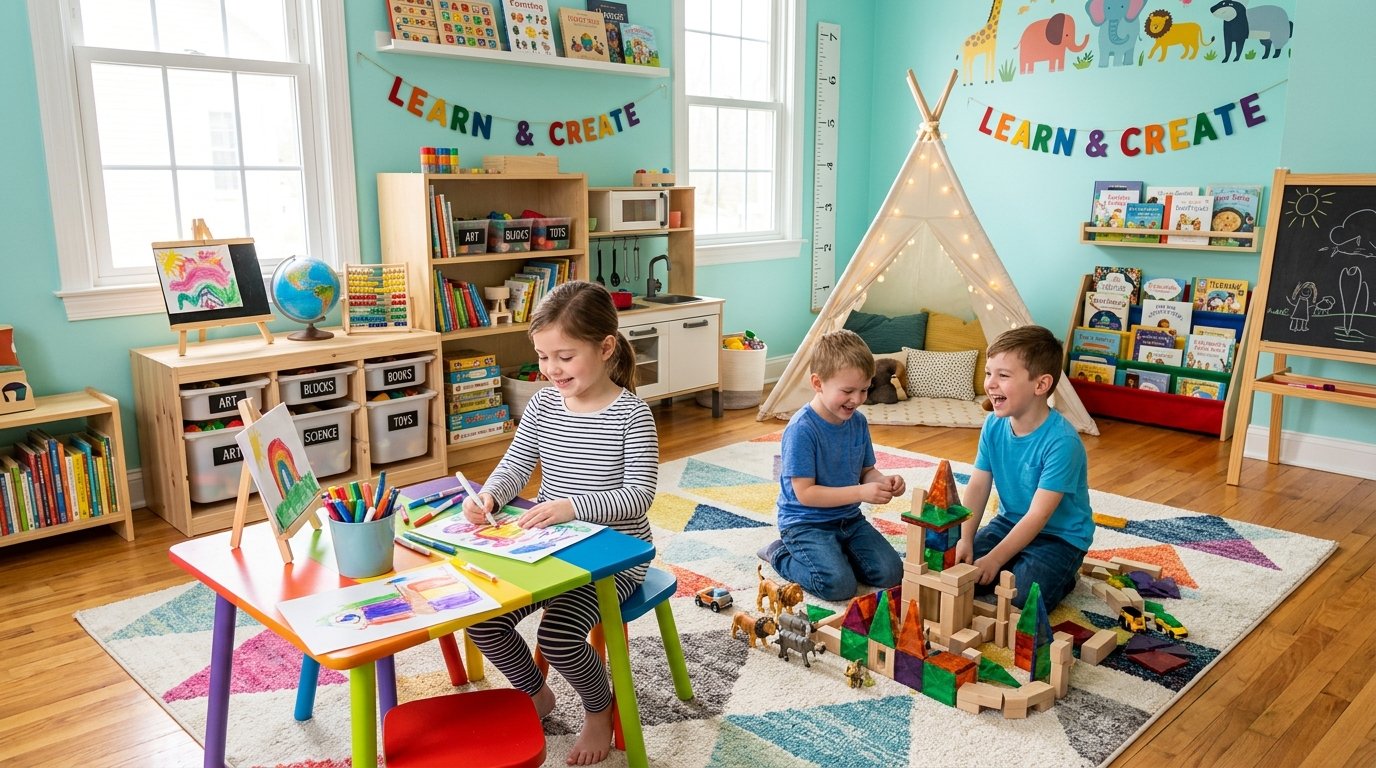
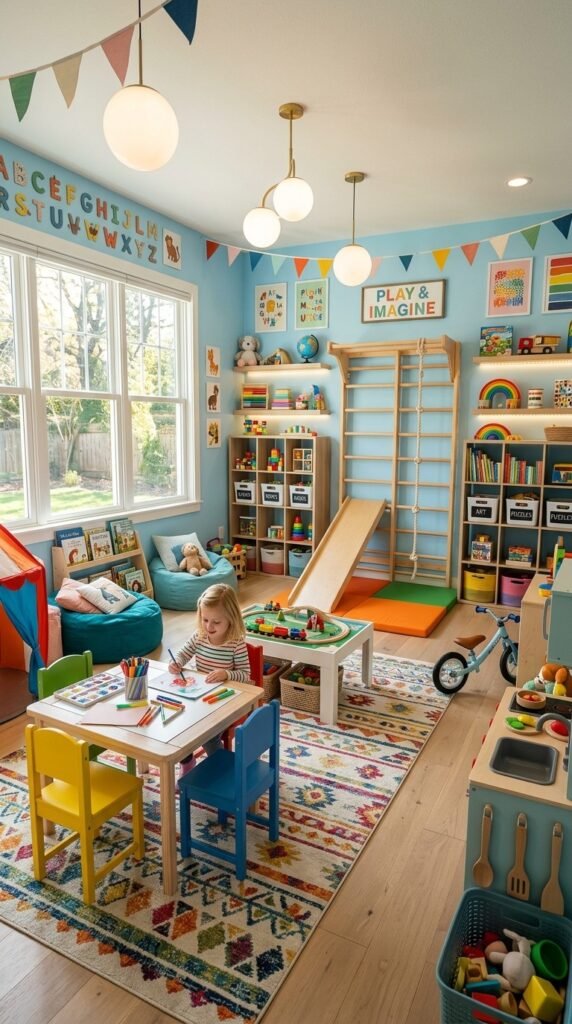
A colorful and imaginative play space can instantly make a child feel excited, inspired, and ready to explore. Use bright wall colors, playful patterns, and creative decorations to bring energy into the room while keeping the atmosphere cheerful and welcoming. Adding themed decor, fun artwork, and interactive toys can help spark creativity and encourage imaginative play every day. Soft rugs, cozy seating, and well-organized storage also make the space both comfortable and practical for learning and fun.
2. Add Educational Toys and Activity Stations
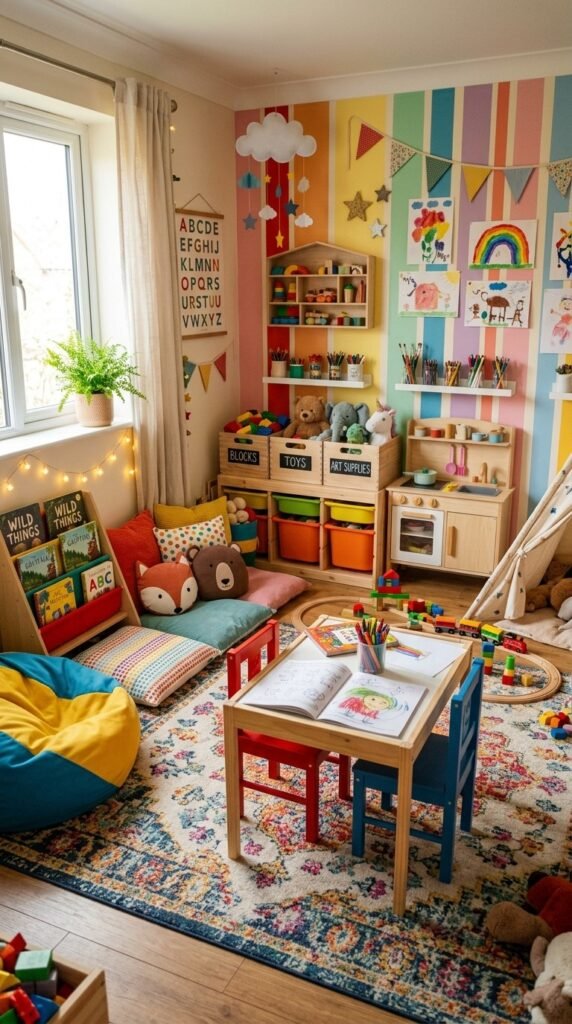
Educational toys and activity stations can turn a simple playroom into a fun learning environment where kids stay engaged while developing important skills. Include puzzles, building blocks, drawing tables, sensory bins, and STEM-based activities that encourage creativity, problem-solving, and hands-on learning. Creating separate areas for reading, crafting, and interactive games helps keep children focused and excited to explore different activities throughout the day.
3. Design a Playroom That Grows with Your Child
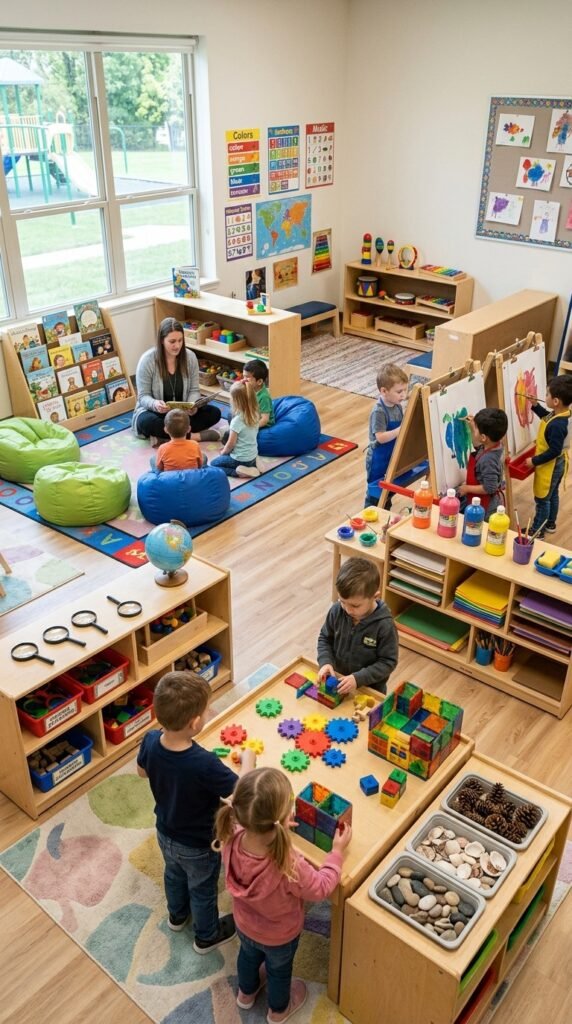
Designing a playroom that grows with your child helps create a space that remains useful, comfortable, and enjoyable for years. Choose flexible furniture, adjustable storage, and timeless decor that can easily adapt as your child’s interests and needs change over time. Adding multi-purpose areas for learning, creativity, and relaxation allows the room to evolve from a playful toddler space into a functional area for older kids. This approach not only saves money in the long run but also keeps the playroom stylish and practical at every stage.
4. Install Shelves to Display Books and Toys
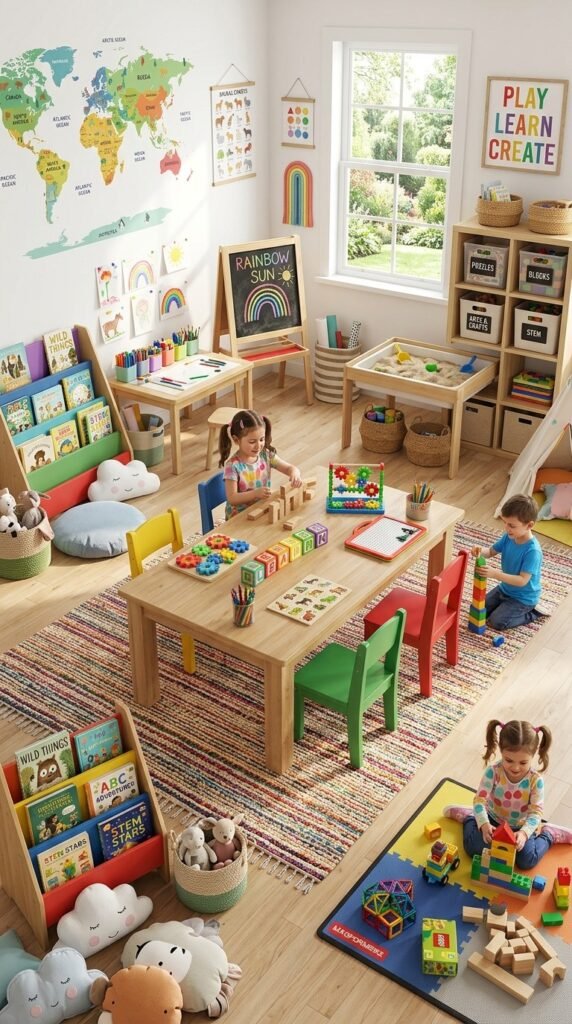
Installing shelves to display books and toys is a simple way to keep a playroom organized while making the space look fun and inviting. Open shelves allow kids to easily reach their favorite books, games, and stuffed animals, encouraging independent play and reading habits. You can also use colorful bins and decorative storage baskets to keep smaller items neat and clutter-free. Stylish shelving not only adds storage but also helps showcase your child’s personality and creativity throughout the room.
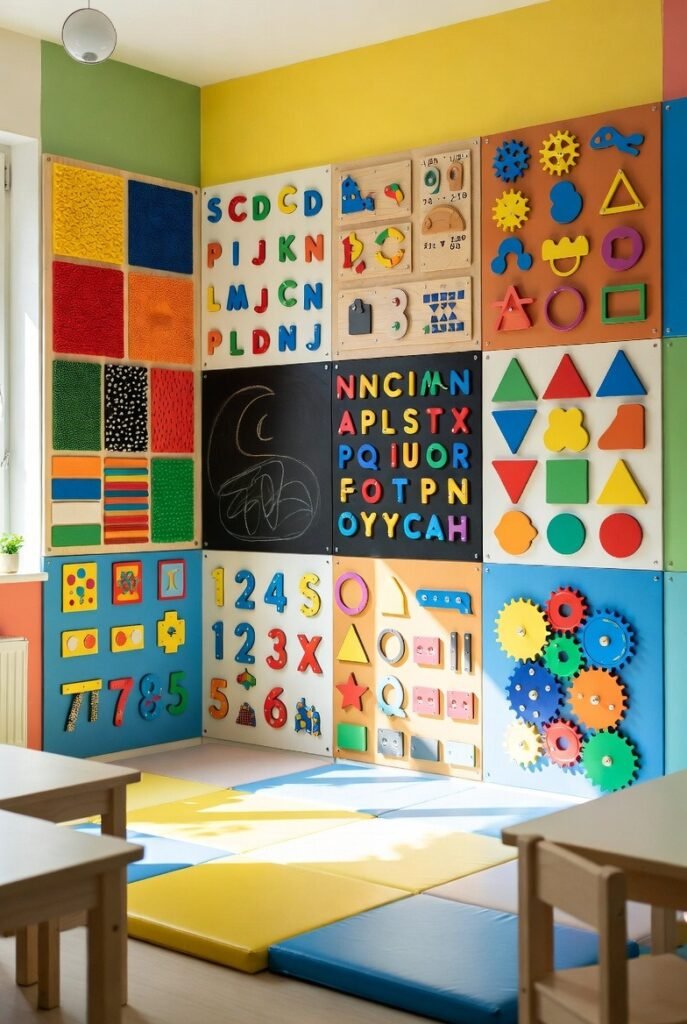
5. Interactive Wall Panels
Interactive wall panels are a great addition to any kids’ playroom because they combine entertainment with hands-on learning. These panels can include puzzles, sensory activities, drawing boards, alphabet games, and movable elements that help improve creativity, coordination, and problem-solving skills. They also save space by keeping activities on the wall while making the room more engaging and visually exciting for children of all ages.
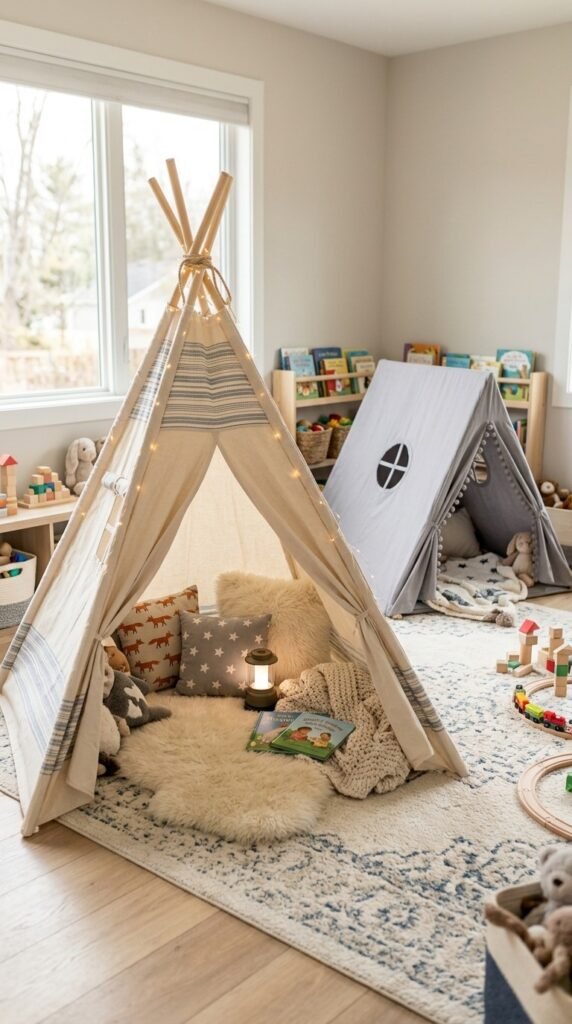
6. Add Indoor Tents or Teepees for Fun Hideouts
Adding indoor tents or teepees to a playroom creates a cozy and magical hideout where kids can relax, read, and use their imagination. These fun spaces are perfect for pretend play, quiet time, or even small indoor adventures with friends and siblings. You can make the area extra inviting with soft cushions, fairy lights, blankets, and plush toys to create a warm and comfortable atmosphere children will love spending time in.
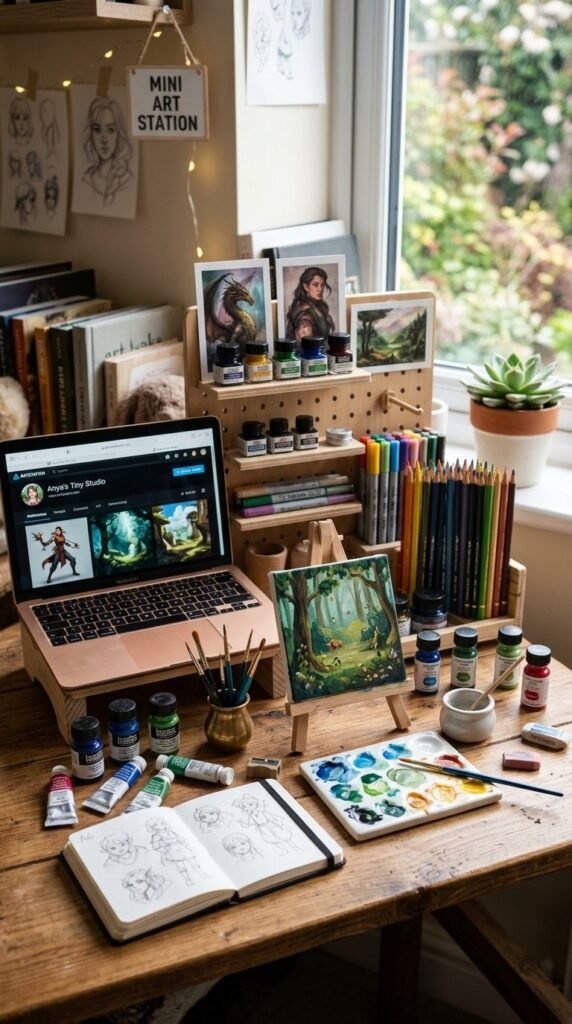
7. Mini Art Station
A dedicated art station with an easel, a washable table surface, and organized art supplies encourages creative expression while minimizing mess. Children can paint, draw, or craft independently, and displaying their finished artwork nearby promotes a sense of pride and accomplishment. Confining messy projects to one corner keeps the rest of the room clean and organized. Rotating art supplies or introducing seasonal craft kits keeps activities fresh and exciting. Parents benefit from having a designated area where kids can explore creativity safely and without constant supervision.
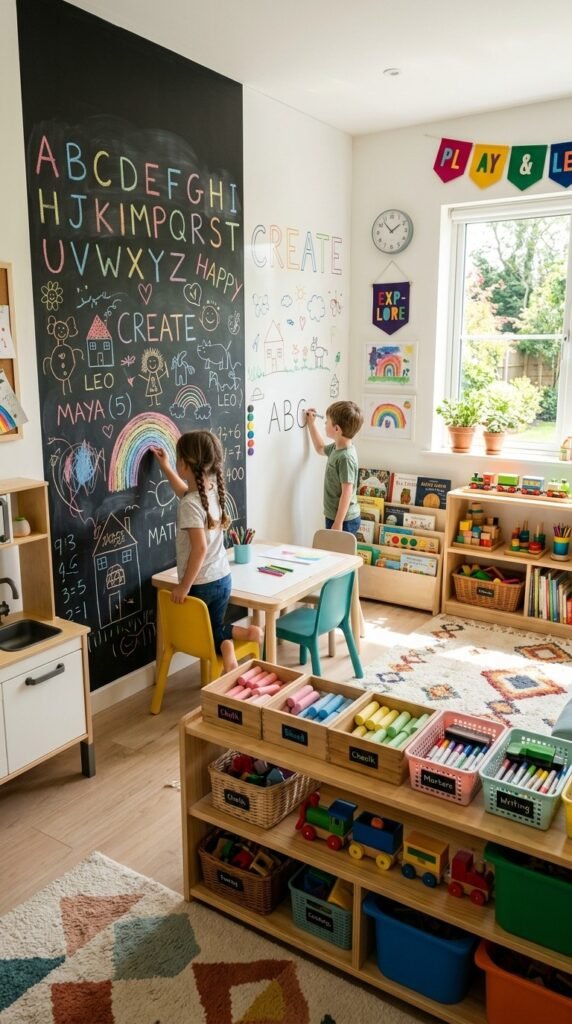
8. Chalkboard or Whiteboard Walls
Chalkboard or whiteboard walls are a fun and creative way to make a kids’ playroom more interactive and educational. Children can use the space to draw, practice writing, solve puzzles, or express their imagination freely without worrying about making a mess on regular walls. These walls also encourage
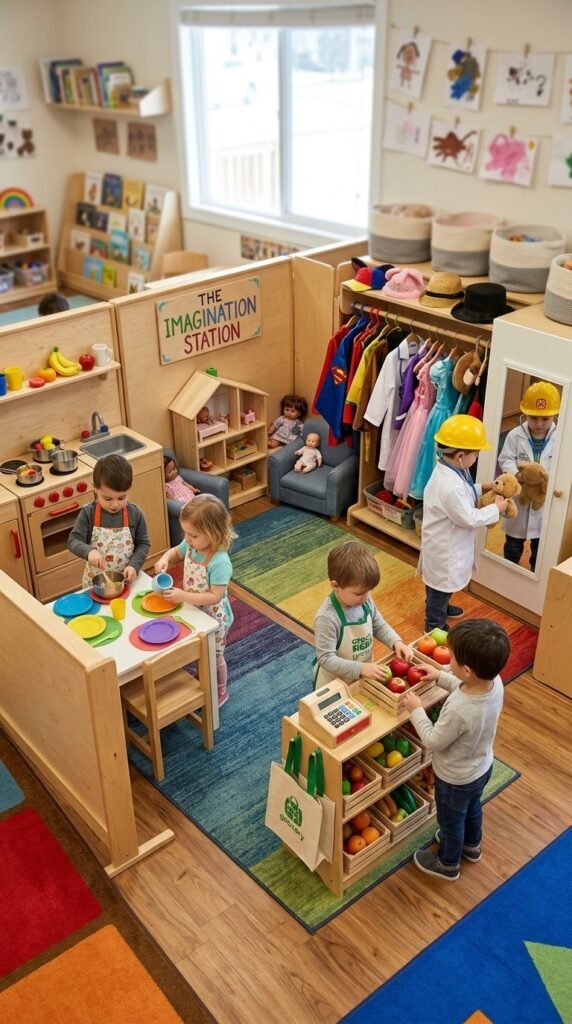
9. Encourage Imagination with Pretend Play Areas
Pretend play areas help children explore their imagination while building creativity, communication, and social skills through fun role-playing activities. You can create themed spaces like a mini kitchen, grocery store, classroom, or doctor’s office to inspire interactive and imaginative play every day. Adding costumes, toy accessories, and realistic details makes the experience even more exciting and encourages kids to invent their own stories and adventures.
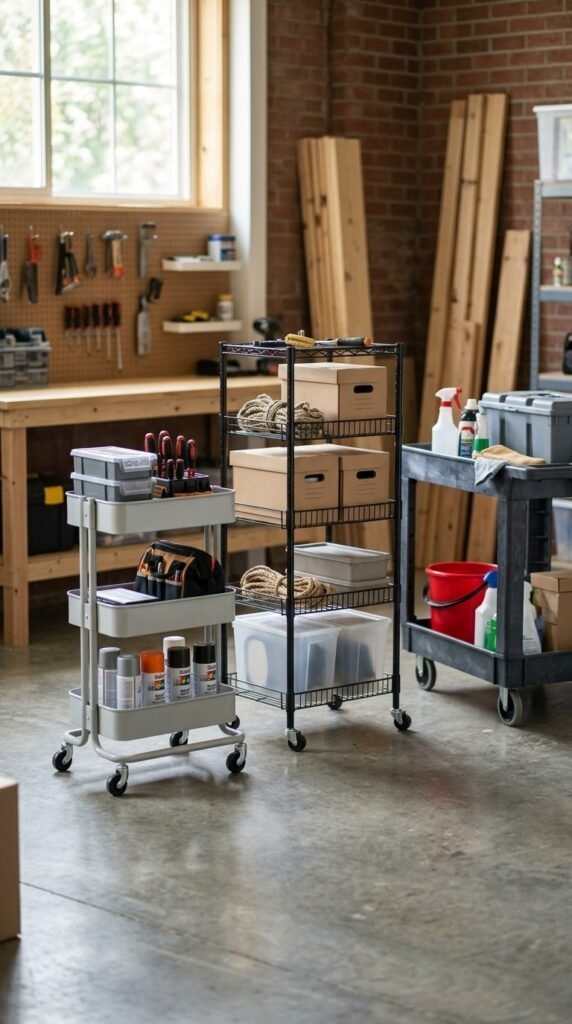
10. Rolling Storage Carts
Rolling storage carts are a practical and flexible solution for keeping a kids’ playroom neat and organized. These mobile carts can easily be moved around the room, making it simple for children to access toys, art supplies, and learning materials wherever they are playing. With multiple compartments and baskets, they help separate items neatly while encouraging kids to clean up after themselves in a fun and easy way.
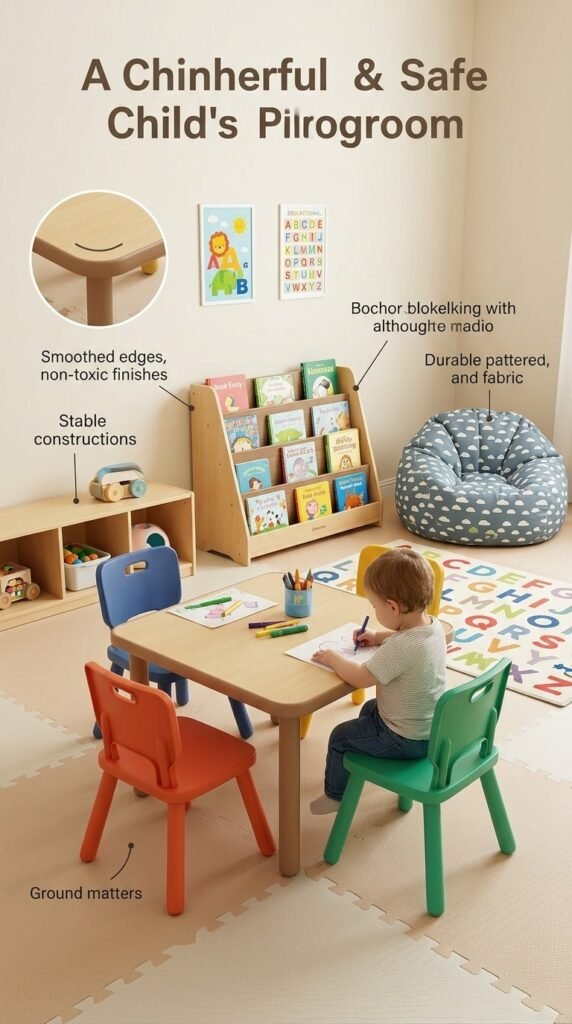
11. Choose Kid-Friendly Furniture for Comfort and Safety
Choosing kid-friendly furniture is very important for creating a safe, comfortable, and enjoyable playroom environment. Look for pieces with rounded edges, soft materials, and sturdy designs to prevent accidents and ensure durability during active play. Low-height tables, cushioned seating, and lightweight chairs allow children to use the space independently while staying comfortable. Selecting the right furniture not only enhances safety but also makes the room more welcoming and practical for everyday learning and fun.
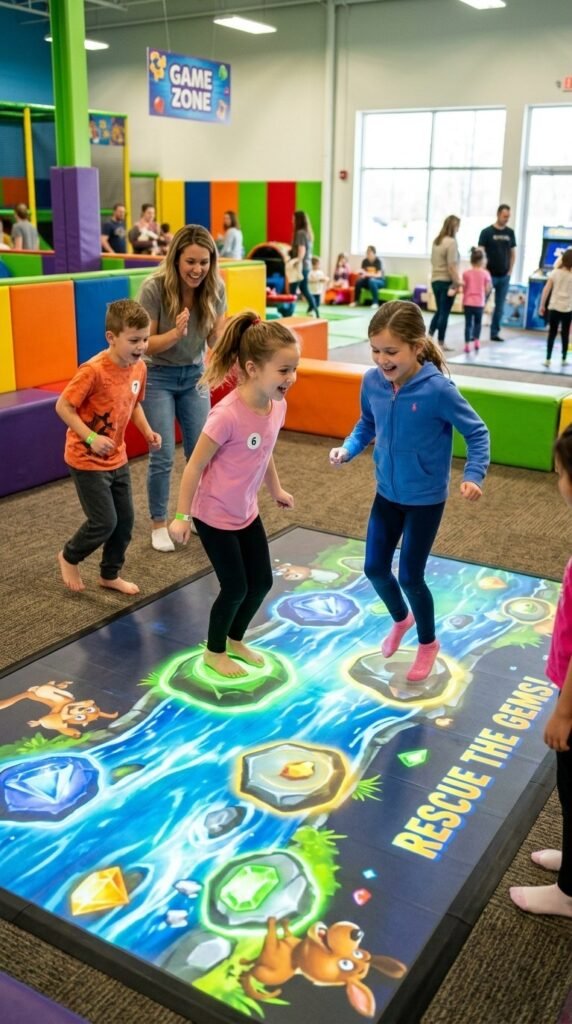
12. Interactive Floor Games
Interactive floor games are a great way to make a playroom more active, engaging, and full of energy. You can add alphabet mats, number hopscotch, puzzle floor tiles, or themed play rugs that encourage kids to move, think, and learn at the same time. These games help improve physical coordination, balance, and cognitive skills while keeping children entertained for hours. A well-designed interactive floor area turns simple playtime into a fun and educational experience.
13. Use Soft Rugs and Cushions for a Cozy Feel
Soft rugs and cushions play an important role in making a kids’ playroom feel warm, safe, and inviting. A plush rug provides a comfortable surface for sitting, crawling, and playing while also protecting children from hard floors during active play. Adding colorful cushions and floor pillows creates a cozy seating area where kids can read, relax, or enjoy group activities. Together, these elements help transform the room into a comfortable and cheerful space for everyday fun and learning.
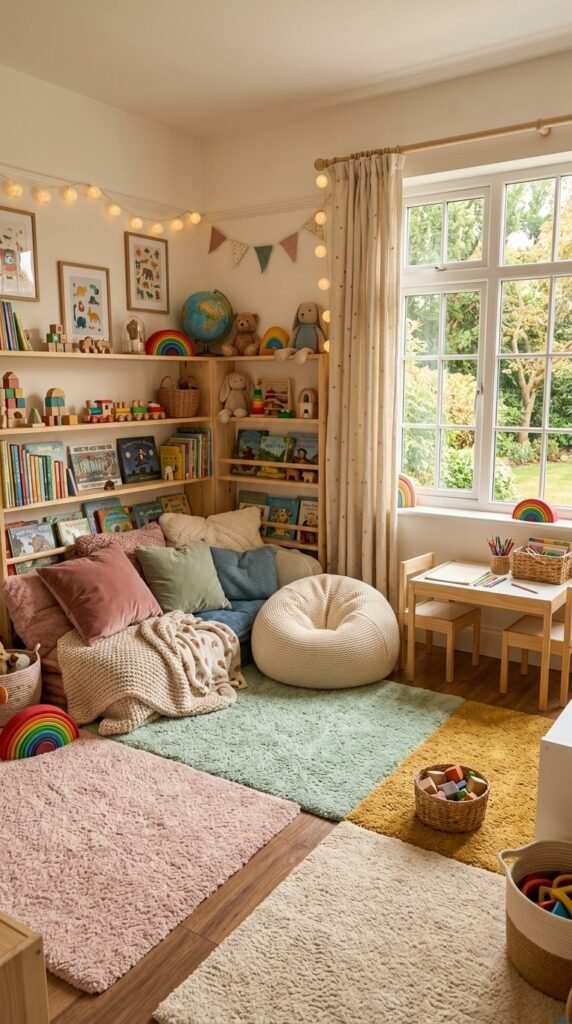
14. Use Bright Lighting to Keep the Room Energetic
Bright lighting plays a key role in keeping a kids’ playroom energetic, lively, and welcoming. Natural light from windows helps improve mood, focus, and overall comfort, making the space feel more open and cheerful. You can also add soft ceiling lights, colorful lamps, or LED fairy lights to create a fun and playful atmosphere. Good lighting not only enhances visibility for reading and activities but also makes the room more inviting for learning and creative play.
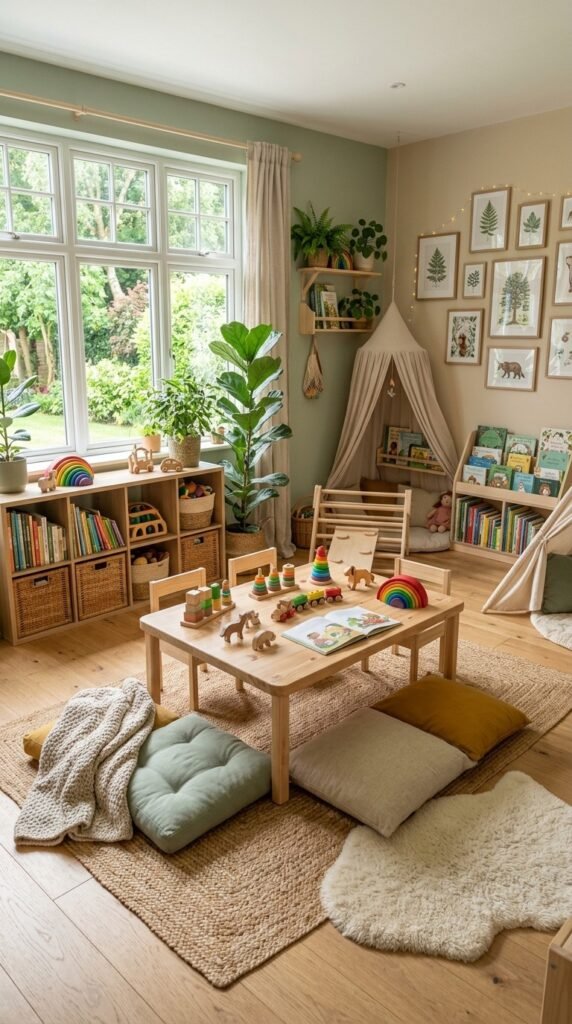
15. Add Nature-Inspired Decor for a Calm Environment
Adding nature-inspired decor to a kids’ playroom helps create a calm, refreshing, and balanced environment. You can use elements like indoor plants, wooden furniture, nature-themed wallpapers, and earthy colors to bring a sense of the outdoors inside. Soft green tones, floral patterns, and animal decorations also make the space feel soothing while still being fun and engaging for children. This type of decor encourages relaxation, focus, and a positive mood during both playtime and learning activities.
Conclusion
A well-designed kids’ playroom balances fun, learning, and organization. Creative storage solutions, interactive zones, and themed areas help children explore and play. They can develop new skills while the space stays neat and manageable for parents. Safe, child-friendly furniture and materials make the environment comfortable and secure. Versatile elements like rolling carts, convertible furniture, or cozy reading nooks add both flexibility and excitement. A thoughtful arrangement using these kids’ playroom ideas creates a joyful space. It encourages imagination, creativity, and independent play.