16 Mini Vegetable Garden Ideas for Small Spaces and Big Harvests
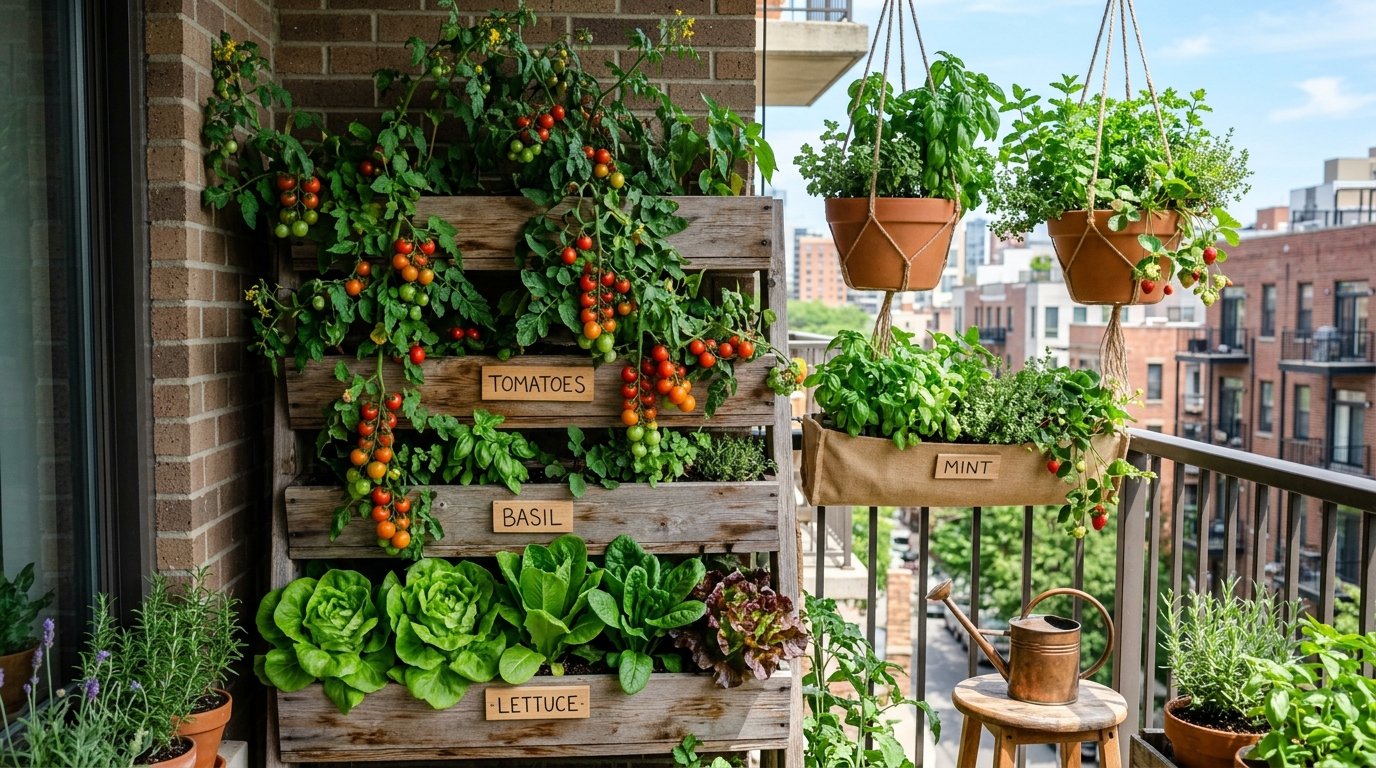
Have a small backyard? Not at all. Growing your own fresh vegetables only requires a little imagination and a well-thought-out plan; acres of land are not necessary. A tiny vegetable garden may flourish in even the tiniest areas, whether you have a windowsill, a small patio, or a sunny balcony. We’ve compiled 16 simple, low-cost, and surprisingly productive small-space vegetable garden designs in this post. These ideas, which range from raised beds and vertical planters to container gardens and recycled boxes, will enable you to grow more with less and savour homegrown deliciousness wherever you reside.
1. Vertical Garden Walls for Maximum Growing Space
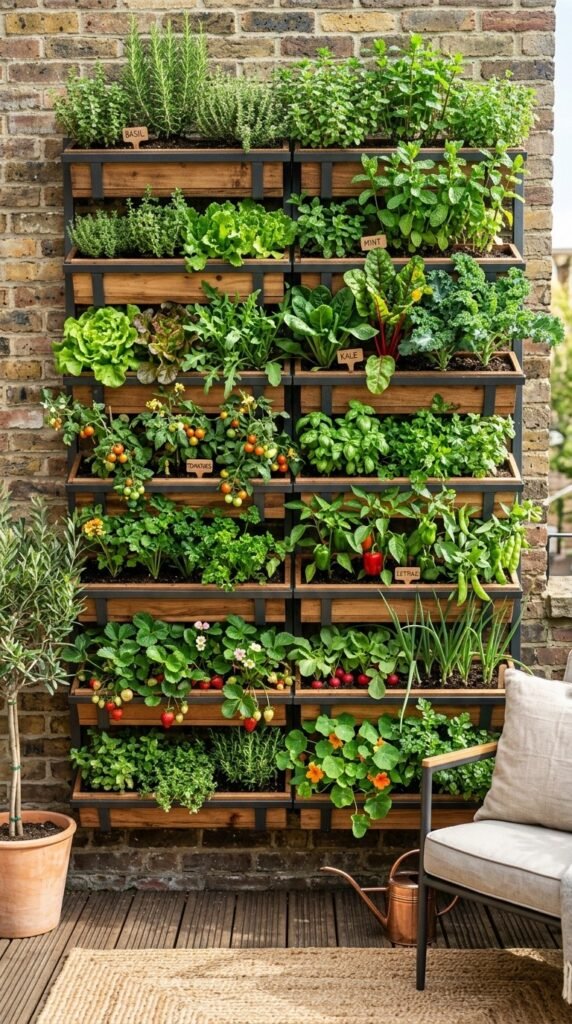
One of the finest ways to cultivate vegetables in small areas is with vertical garden walls. You can cultivate a range of veggies without taking up valuable floor space by employing trellises, hanging pockets, or wall-mounted planters. Vertical arrangements are ideal for leafy greens, herbs, strawberries, and climbing plants like beans and cucumbers. Using every square inch of available growing area, this gardening technique maximizes air circulation, facilitates harvesting, and produces a visually appealing green element for patios, balconies, or small backyards.
2. Grow Bags for Flexible and Space-Saving Gardening
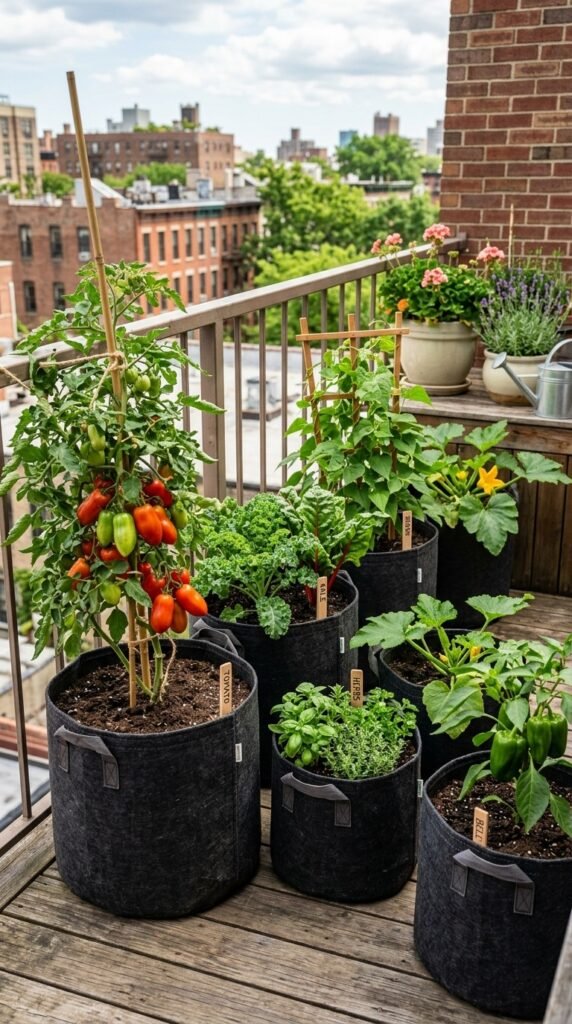
A useful and adaptable choice for tiny vegetable gardens are grow bags. These lightweight cloth containers are perfect for small spaces because they can be set on patios, balconies, rooftops, or any other sunny spot. They offer superior airflow and drainage, which lowers the chance of overwatering and supports healthy root growth. Leafy greens, potatoes, peppers, tomatoes, and many other vegetables can be grown in grow bags. Additionally, because of its portability, you can easily transfer plants to protect them from bad weather or to maximize sunlight.
3. Raised Garden Beds for Better Plant Management
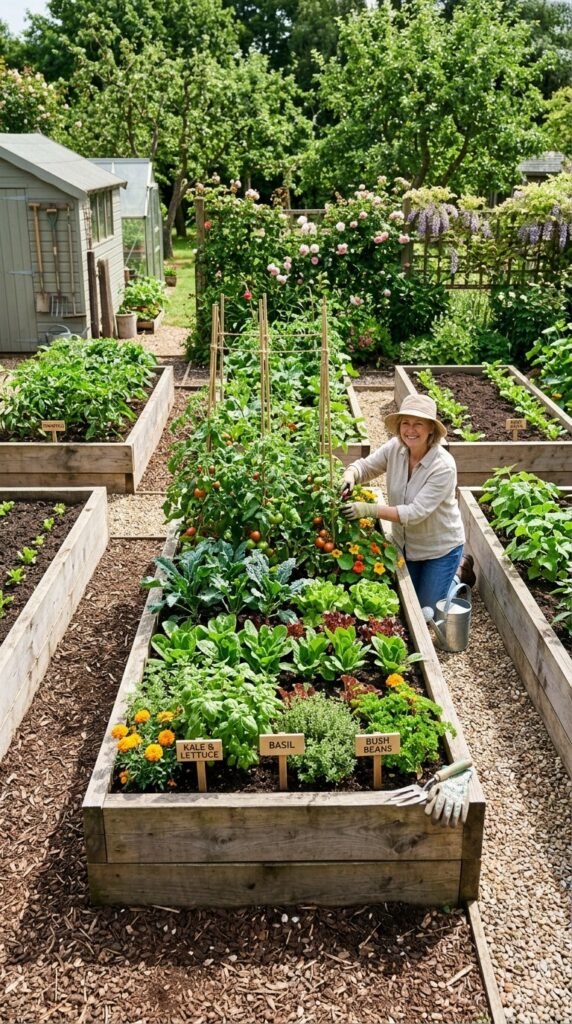
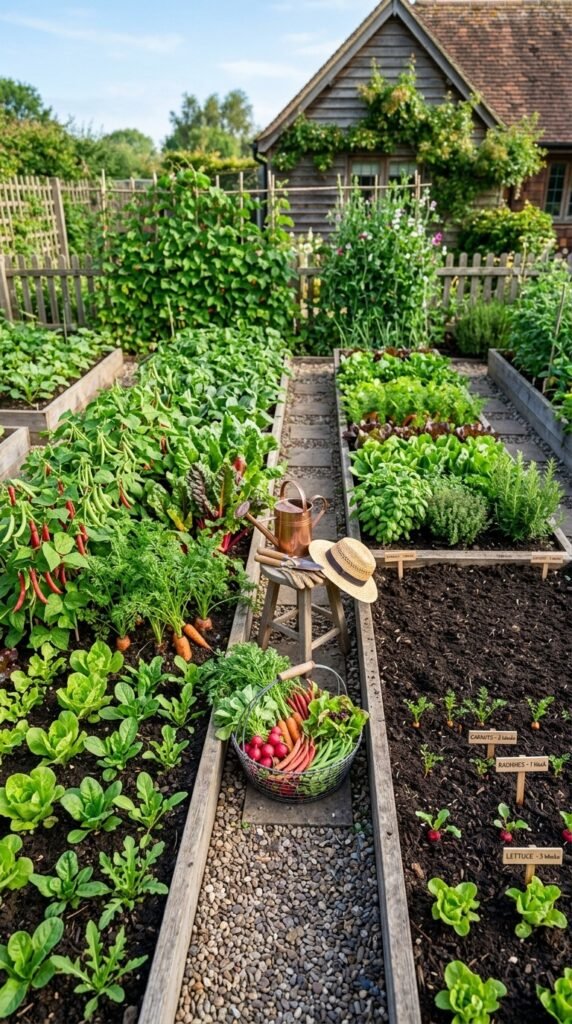
Vegetable gardening is easier to manage and more organized with raised garden beds. They improve control over weed development, drainage, and soil quality by raising the growing area. There is less need for unnecessary bending or kneeling when watering, trimming, and harvesting plants because they are simpler to reach. By allowing vegetables to be grown closer together while maintaining clear walkways, raised beds also aid in making the most of planting space. Raised garden beds, whether constructed of metal, stone, or wood, produce a tidy and fruitful garden that encourages strong plant development and bigger harvests.
4. Window Box Vegetable Gardens for Sunny Spots
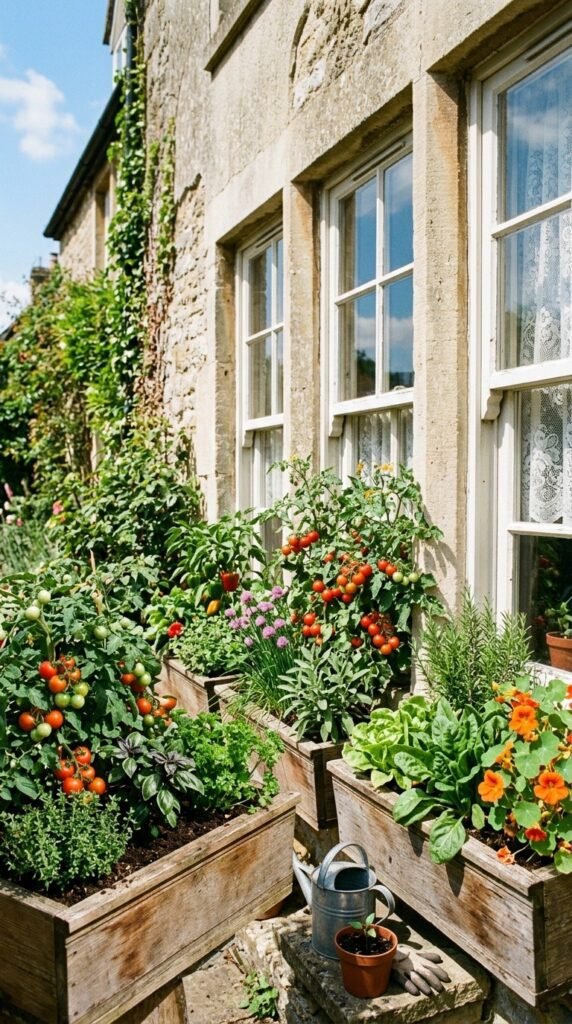
Fresh vegetables may be easily and successfully grown in small places with window box vegetable gardens. These little planters are a great way to utilize sunny spots that could otherwise go unutilized when placed on windowsills, railings, or ledges. When given enough sunlight and consistent watering, vegetables like lettuce, spinach, radishes, and herbs flourish in window boxes. They make harvesting easier, bring greenery closer to your house and enable even apartment residents to enjoy homegrown veggies without the need for a conventional garden.
5. Container Vegetable Gardening on Patios and Balconies
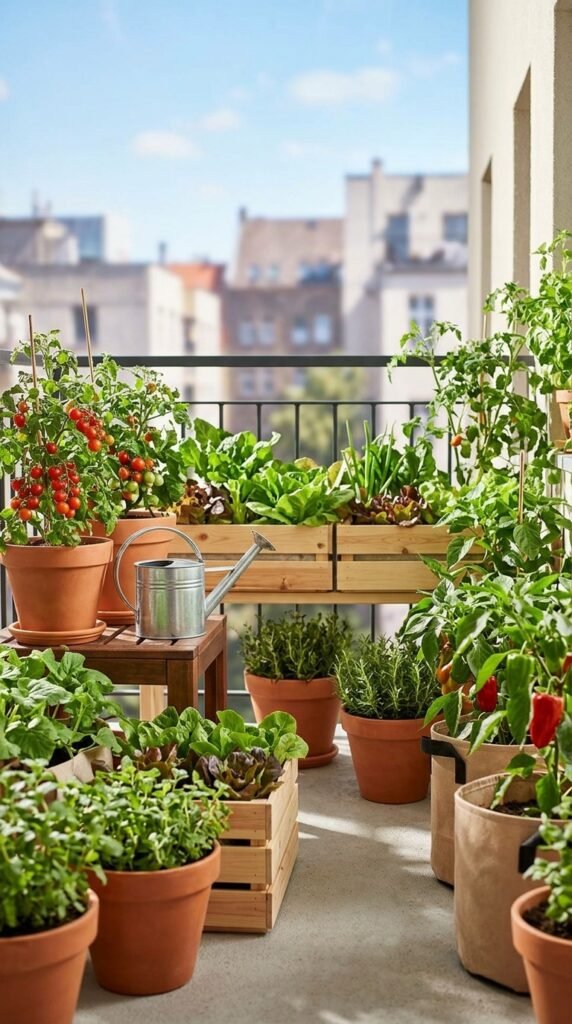
Vegetables can be grown in containers when outside space is scarce. On patios and balconies, you may set up pots, planters, and containers of different sizes to make a productive little garden. When given enough sunlight and proper care, vegetables like tomatoes, peppers, lettuce, carrots, and herbs thrive in containers. This technique makes it simple for gardeners to move plants, control soil conditions, and make the most of available space while enhancing outdoor living spaces with beauty and new greenery.
6. Hanging Baskets for Herbs and Small Vegetables
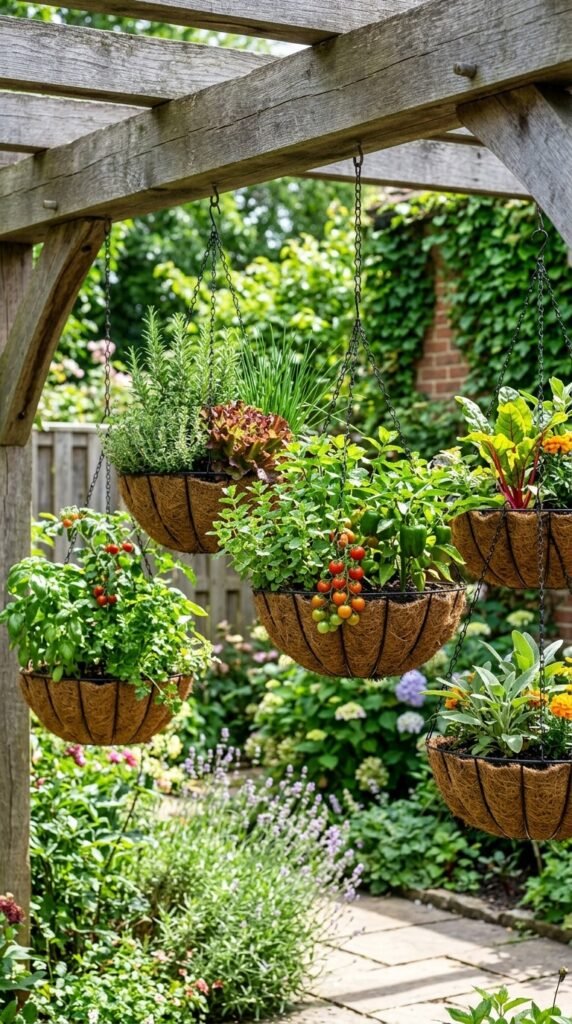
Using hanging baskets is a clever method to increase the size of your growing area without taking up important ground space. They are ideal for producing small veggies like cherry tomatoes and strawberries as well as herbs like basil, parsley, and mint when suspended from hooks, railings, or pergolas. Hanging baskets enhance plant airflow, facilitate harvesting, and provide patios, balconies, and tiny gardens with aesthetic appeal. For gardeners who want to make the most of every available space while maintaining plants’ health and accessibility, they are the perfect option.
7. Tiered Planters to Increase Planting Capacity
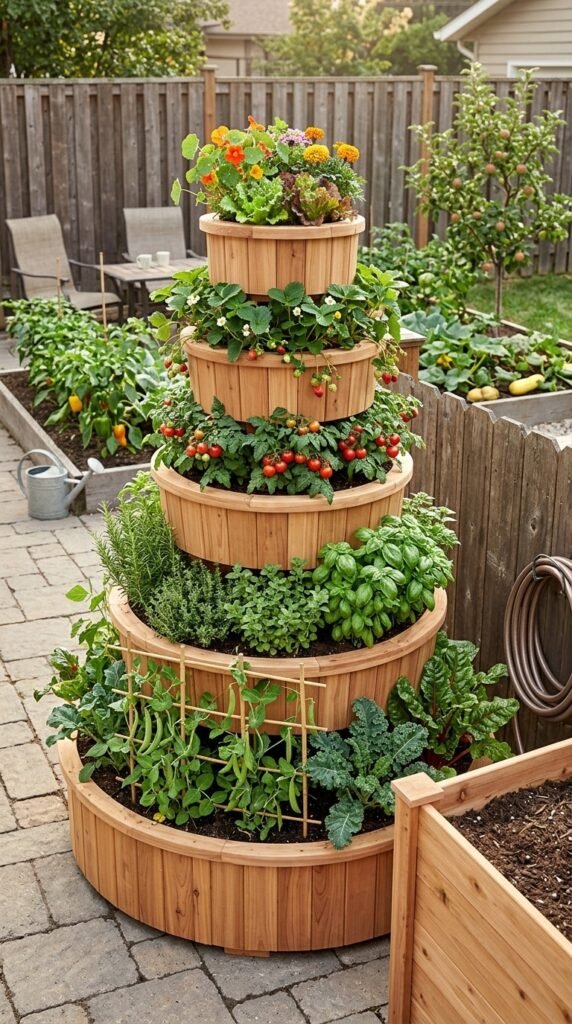
A great way to raise more vegetables in a smaller space is with tiered planters. You may stack plants vertically thanks to their multi-level design, which maximizes available space while maintaining accessibility for every plant. A productive and aesthetically pleasing garden can be created by using several stages for herbs, leafy greens, flowers, or compact veggies. In addition to maximizing planting space in small patios, balconies, or backyard gardens, tiered planters enhance sunshine exposure and airflow between plants, promoting better plant growth.
8. DIY Pallet Gardens for Small Outdoor Areas
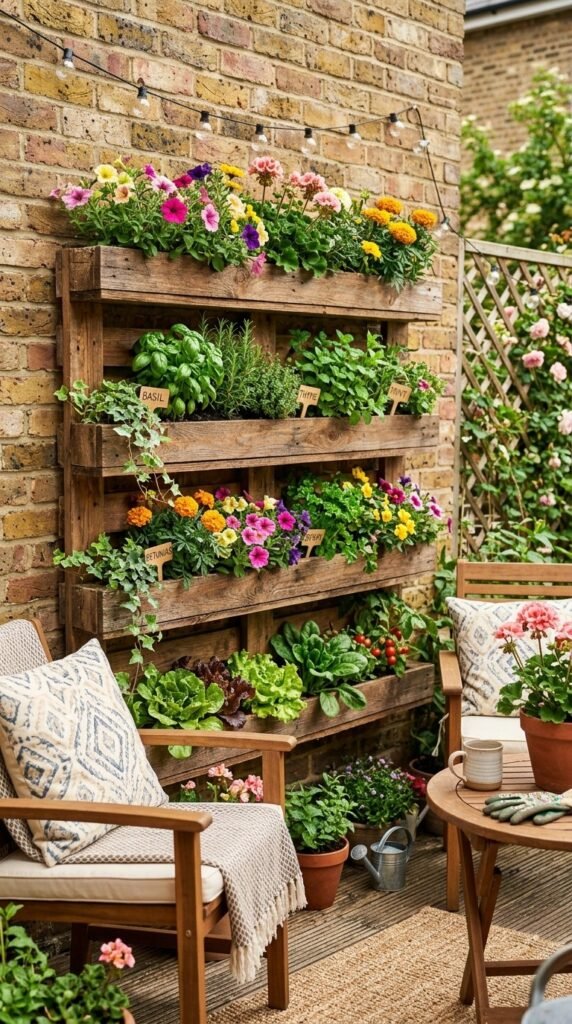
Vegetables can be grown creatively and affordably in small outdoor spaces using do-it-yourself pallet gardens. You may build several growing pockets without taking up much ground space by reusing wooden pallets into vertical planting structures. Herbs, lettuce, spinach, and other plants with shallow roots grow well in pallet gardens. They can be positioned against balcony railings, walls, or fences to make the most of the available area and give your landscape a rustic and ornamental look. Even in the smallest outside spaces, horticulture is now accessible and productive thanks to this easy DIY.
9. Square Foot Gardening for Efficient Harvests
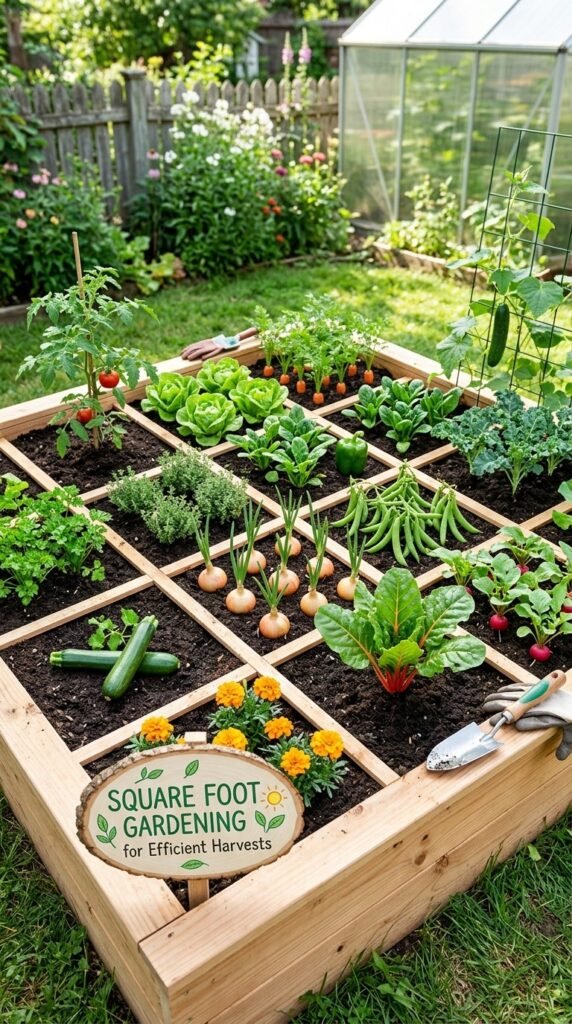
A space-saving technique that maximizes food production in tiny plots is square foot gardening. Small square parts make up the growing space, and each square is assigned to a particular crop according to its size and growth requirements. This methodical strategy minimizes weeds, cuts down on wasted space, and simplifies planting, watering, and harvesting. Vegetables can be grown in close proximity to one another while still getting the sunlight and nutrients they require, producing robust plants and productive harvests from a little garden space.
10. Compact Herb Gardens for Fresh Kitchen Ingredients
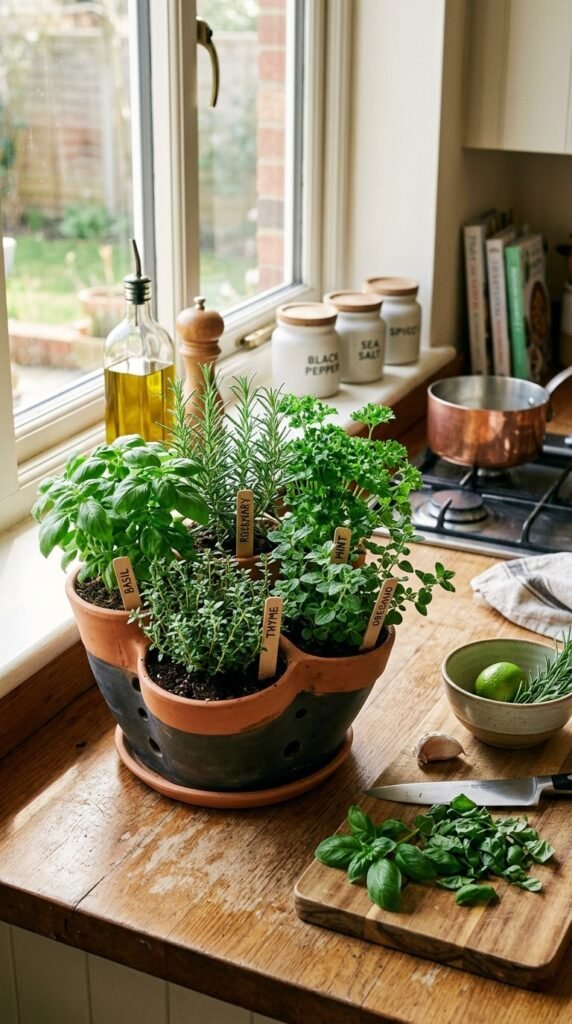
Fresh flavours may be found right outside your kitchen door with a tiny herb garden, which is the ideal complement to any little vegetable garden. Herbs that thrive in window boxes, vertical planters, or tiny containers include basil, mint, parsley, cilantro, and thyme. These low-maintenance facilities provide a steady supply of cooking materials while taking up little room. Compact herb gardens are ideal for harvesting fresh herbs whenever you need them, are easy to maintain, and offer greenery to both indoor and outdoor environments.
11. Easy-Care Vegetables Perfect for Tiny Gardens
A fantastic strategy to enjoy a profitable garden without investing a lot of time in upkeep is to choose veggies that are easy to care for. Lettuce, spinach, radishes, green onions, and bush beans are examples of vegetables that grow quickly and require little care in tiny places. These crops are perfect for small gardens because many of them can be grown in raised beds, containers, or vertical planters. These beginner-friendly vegetables make small-space gardening easy and satisfying, and they yield consistent harvests with regular watering and enough sunlight.
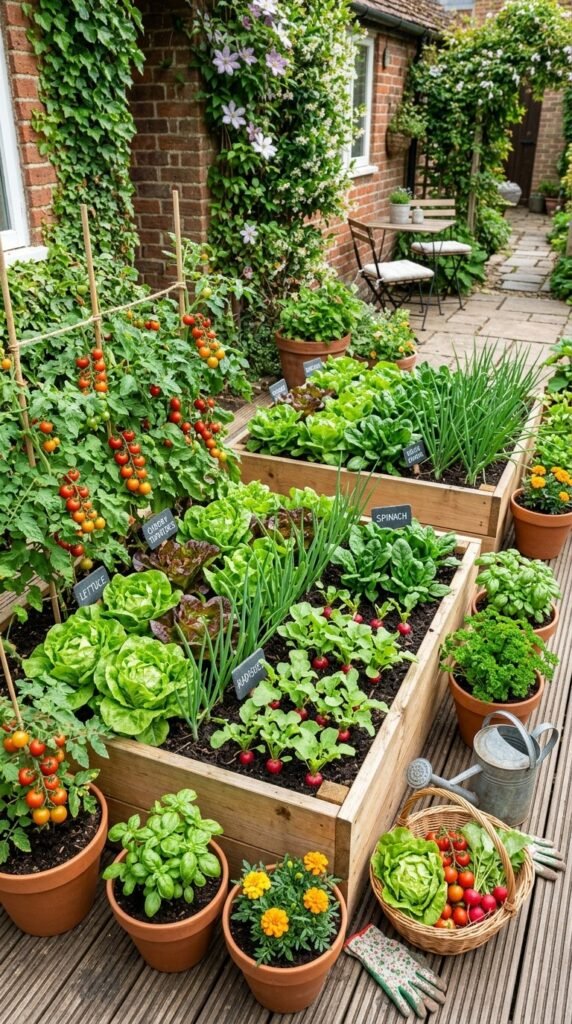
12. Vegetable Trellises for Climbing Plants
Climbing plants can be grown on vegetable trellises, which also save valuable garden space. Trellises assist maximize vertical space and keep plants off the ground by teaching vegetables like beans, peas, cucumbers, and some types of squash to grow upward. This facilitates harvesting, enhances air circulation, and lowers the risk of pests and infections. Trellises, which come in a variety of designs and materials, give tiny gardens structure and aesthetic appeal while promoting better growth and increased harvests.
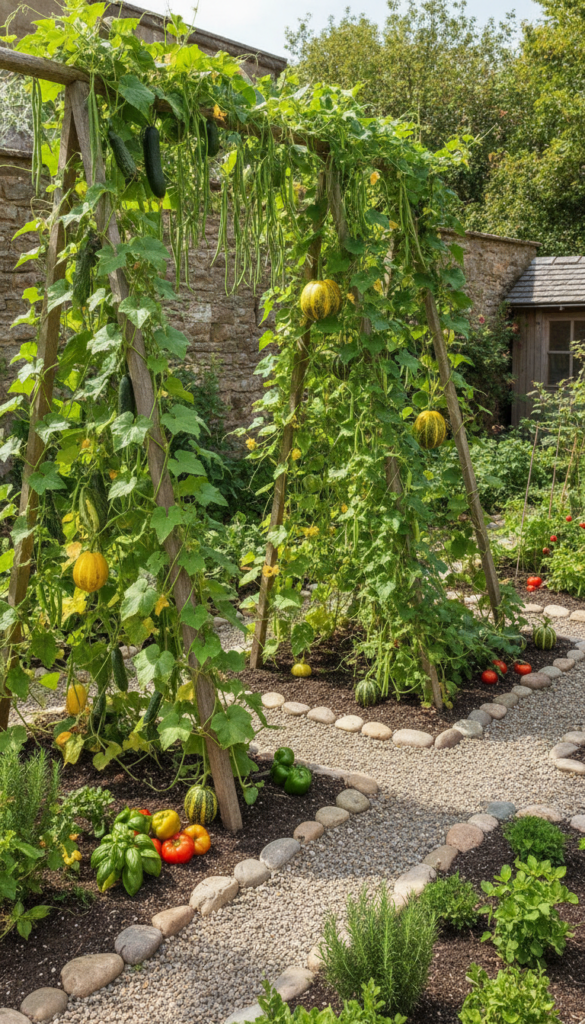
13. Companion Planting to Boost Small Garden Productivity
Growing some plants together to enhance growth, ward off pests, and make better use of available space is known as companion planting. For instance, marigolds can deter common garden pests, while basil and tomatoes can draw beneficial insects. By improving the growing conditions and lowering the need for chemical treatments, this technique makes small gardens more productive. Gardeners may maximize every square foot of growing space and boost yields by carefully choosing appropriate.
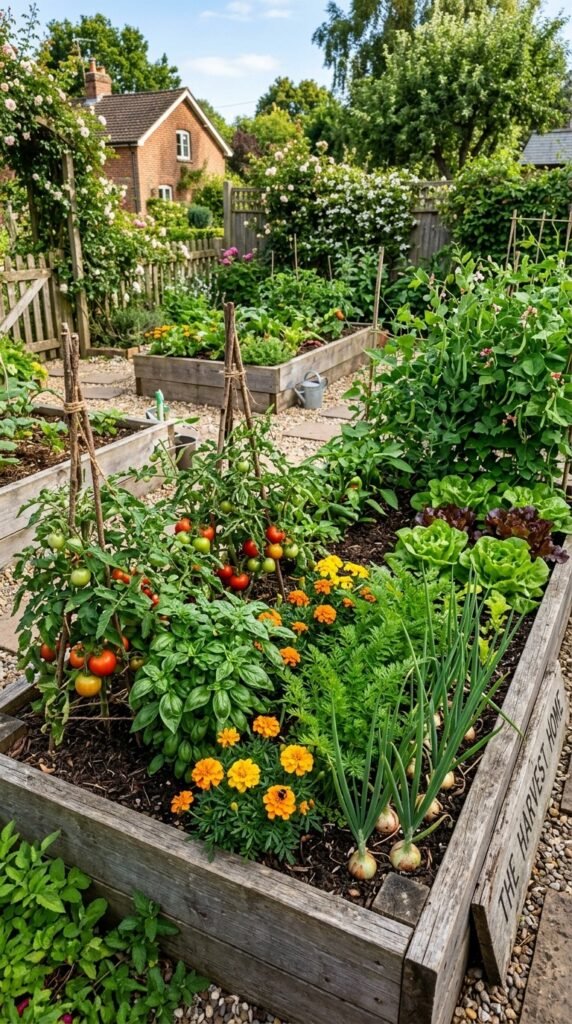
14. Creative Corner Garden Ideas for Unused Spaces
With a little imagination and preparation, underutilized spaces can be turned into fruitful vegetable gardens. Installing raised beds, vertical garden structures, tiered planters, or groups of containers full of vegetables and herbs is ideal for corner locations. Utilizing these frequently disregarded spaces maximizes growing space without compromising the patio, balcony, or yard’s overall usability. In addition to increasing planting capacity, a well-designed corner garden gives modest outdoor spaces more appeal and greenery.
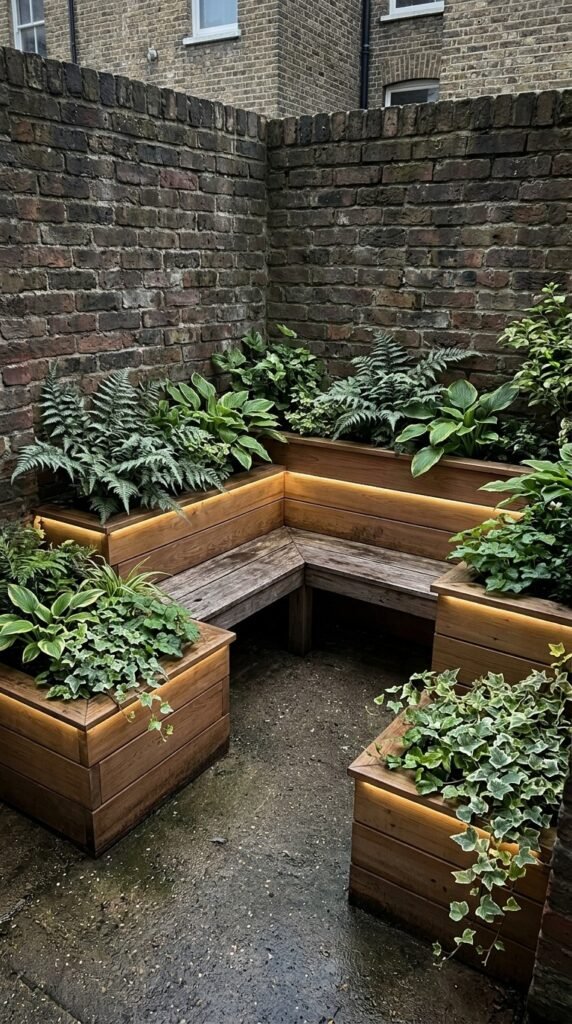
15. Succession Planting for Continuous Harvests
A straightforward method that enables gardeners to enjoy fresh veggies all through the growing season is succession planting. In order to ensure a consistent supply of product as earlier plantings mature, seeds are spread in intervals every few weeks rather than all at once. Vegetables that grow quickly, like lettuce, radishes, spinach, and green onions, work particularly well with this technique. Succession planting keeps small vegetable gardens productive for extended periods of time, maximizes the use of limited garden space, and prevents enormous harvests from happening all at once.
16. Recycled Containers for Budget-Friendly Gardening
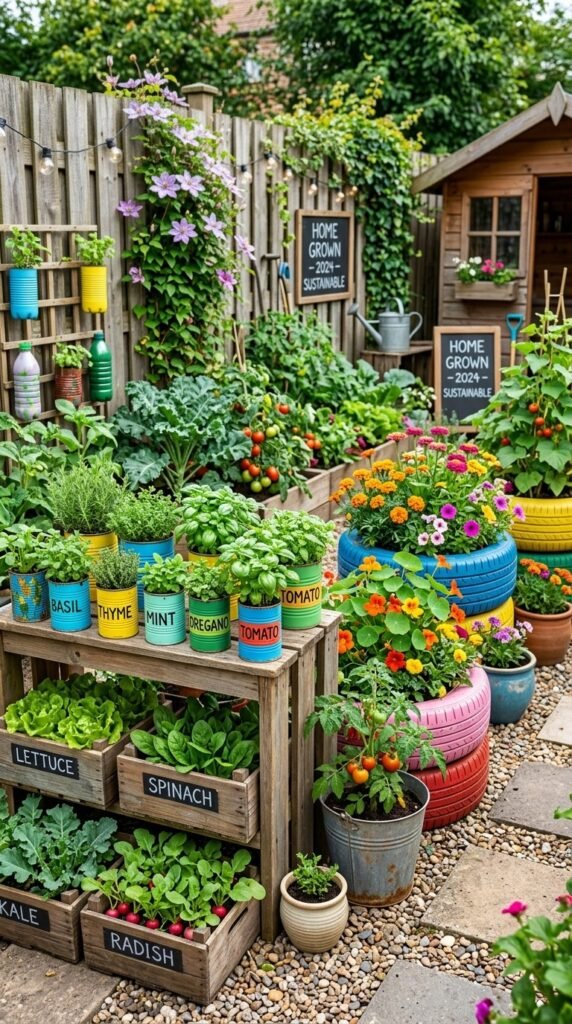
Vegetables can be grown in small places in an economical and environmentally responsible method with recycled containers. Unused household containers like buckets, wooden crates, tin cans, storage bins, and others can be turned into useful planters with the right drainage. These containers are perfect for growing tomatoes, herbs, leafy greens, and other small veggies while lowering gardening expenses and waste. Vegetable gardening is both affordable and sustainable when gardeners use repurposed materials to create a distinctive and customized growing area.
Conclusion
With careful planning and inventive ideas, even the smallest indoor or outdoor area can be transformed into a fruitful vegetable garden. These small vegetable garden ideas, which range from raised beds and recycled containers to vertical gardens and hanging baskets, maximize growing space while making gardening easy and pleasurable. You may have fresh, homegrown produce all season long by selecting the right crops and employing space-saving strategies. A well-planned compact vegetable garden may bring beauty and greenery to your house while producing remarkable harvests, whether you have a patio, balcony, or small backyard.